
Door to door.
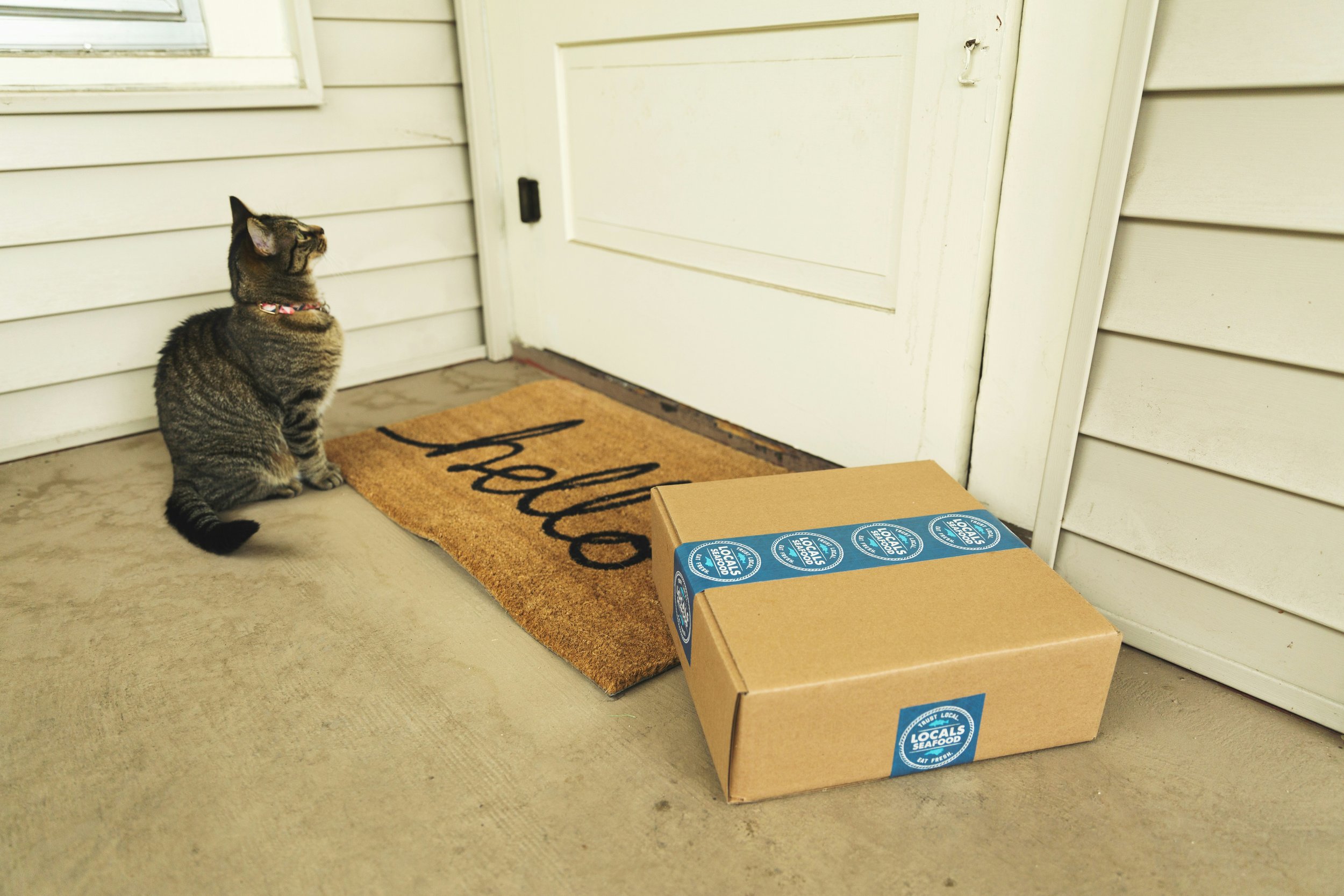
Let’s face it—convenience is often glorified. Because of that, it’s easy to see delivery services as nothing more than a modern-day luxury. But if we pause for a moment and look a little deeper, we’ll find these services play a much more practical and important role in everyday life.
Yes, many people turn to delivery out of ease: a busy parent juggling work and school pickups, someone tired after a long day who just wants a hot meal, or a young professional trying to stay on top of their health with a meal box subscription. But behind every box at the doorstep, there's a story. Sometimes, it’s about efficiency. Other times, it’s about survival.
Imagine the elderly woman who’s lost most of her mobility. The thought of navigating crowded grocery store aisles is overwhelming. Now picture the blind man who relies on touch, sound, and trust, and who can’t just “pop into the store” for essentials. Think of the person bedridden due to a chronic illness, or recovering from surgery, where even getting dressed is an ordeal.
There’s the exhausted mom on maternity leave, clutching her newborn, too sleep-deprived to cook—let alone shop. Or the person who lives alone, far from family, whose support system is stretched thin. And then there are those who are not physically limited but emotionally depleted. For them, energy is a precious resource, and delivery means one less thing to worry about.
Delivery services have quietly stepped into these spaces, bringing more than food, groceries, or medication. They’ve delivered dignity. Independence. Relief. A sense of connection, even when the only interaction is a brief knock on the door or a message saying, “Your package has arrived.”
They allow people to care for themselves when they otherwise couldn’t. They offer choice—over what to eat, when to eat, and how to manage a household in a way that feels safe and empowering. They reduce the stigma for those who simply cannot “do it all.” And in a world that often demands too much, these services remind us that it’s okay to ask for help.
Let’s also honor the diversity of users. Delivery isn't just for the tech-savvy or the wealthy. It’s for the single father who forgot diapers. For the autistic teen who finds stores overstimulating. For the rural family who lives miles from the nearest store. It’s for your neighbor, your grandmother, your friend—and maybe even for you, on a day when life gets just a little too heavy.
In truth, delivery services are not just about convenience—they are about compassion. About accessibility. About meeting people where they are. And in that, there’s something deeply beautiful and worth appreciating.
The people behind the scene.
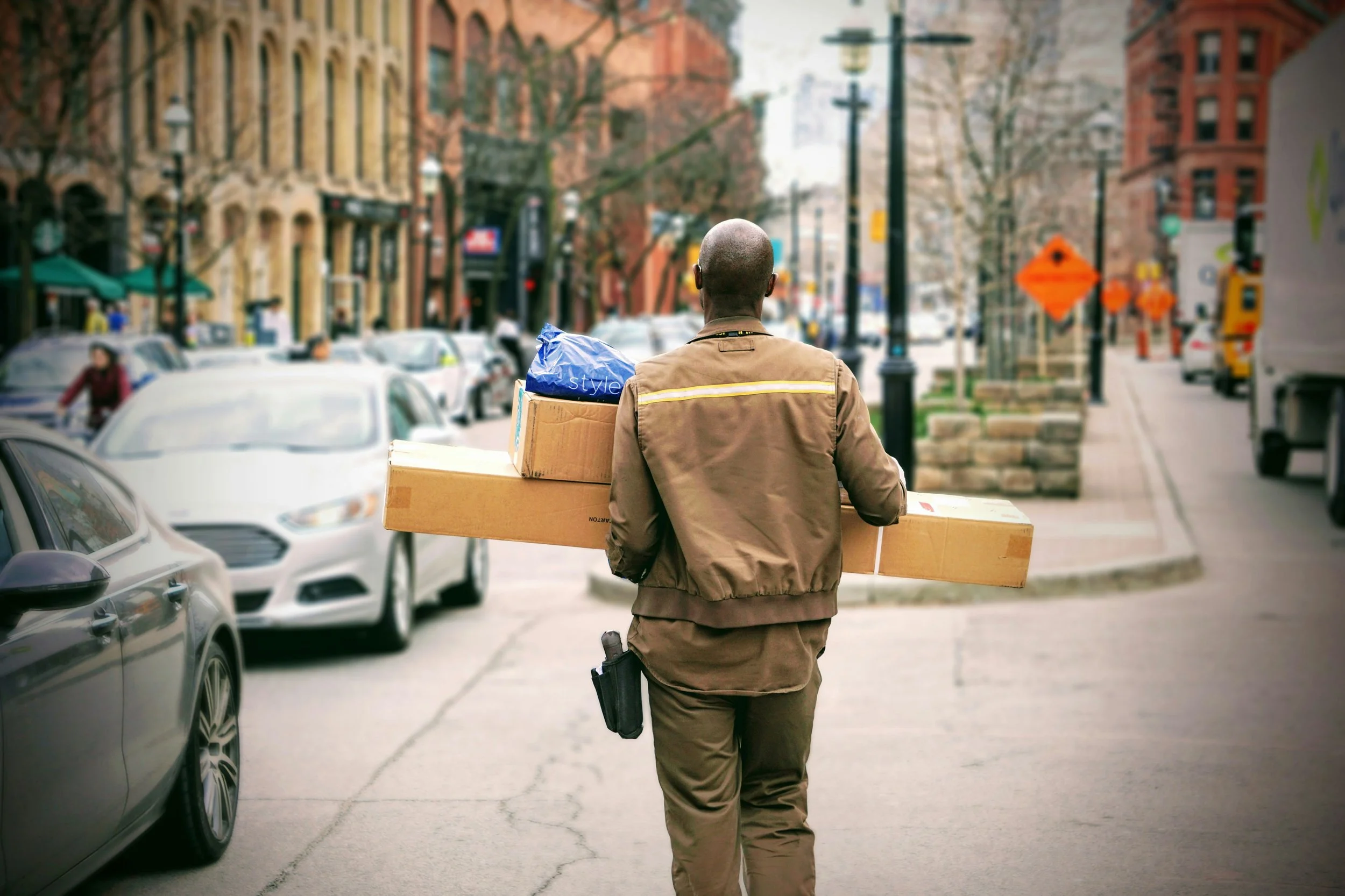
A UPS employee
While we often focus on the convenience and necessity of delivery services, it’s easy to overlook the people making it all possible—the drivers, bikers, and walkers bringing meals, groceries, and essentials to our doorsteps. Behind every delivery is a person with a story. And just like the people they serve, they come from all walks of life.
Some take on delivery work to supplement their income—a teacher driving in the evenings to make ends meet, a student covering tuition, a retiree staying active while earning a little extra. For others, it’s become a full-time job, offering more flexibility than traditional employment and a sense of autonomy that’s hard to find elsewhere.
There are people who choose this work because it allows them to show up for their families—parents who need to be available for school pickups or caregivers juggling responsibilities at home. Some find meaning in the job itself. After all, bringing food to someone who can’t leave their home or delivering medicine to someone in need can be more than just a task—it can feel like a small but real contribution to society.
Then there are those rebuilding their lives, perhaps after a job loss, a move, or a personal setback. Delivery work offers a chance to start again, to work immediately, and to do something with tangible impact. It’s honest work. It’s work that matters.
It’s easy to reduce the role to a transaction: order placed, item received. But on the other side of that transaction is a person facing traffic, weather, and deadlines—often for pay that doesn’t reflect the effort. Yet many continue to show up with a smile, a kind word, or a moment of human connection that can mean more than we realize.
So the next time you see a box waiting at someone’s door—or someone dropping one off—pause for a moment. That package might be groceries, dinner, or medicine. But it could also be hope, help, or the small lifeline someone needed to get through the day. And the person delivering it? They’re not just part of a service—they’re a human being, chasing a dream, making a living, supporting a family, or simply navigating life like the rest of us. In every delivery, there’s more than a transaction—there’s a connection.