
To thrift or not to thrift
Let’s talk about one of my favorite underrated hobbies: thrift shopping. You know, strolling through aisles of secondhand treasures, not really looking for anything in particular—but somehow finding the exact thing you didn’t know you needed. Whether you’re a vintage lover, a bargain hunter, or just someone trying to save a few bucks, thrift stores are little goldmines of possibility.
What is Thrift Shopping, Really?
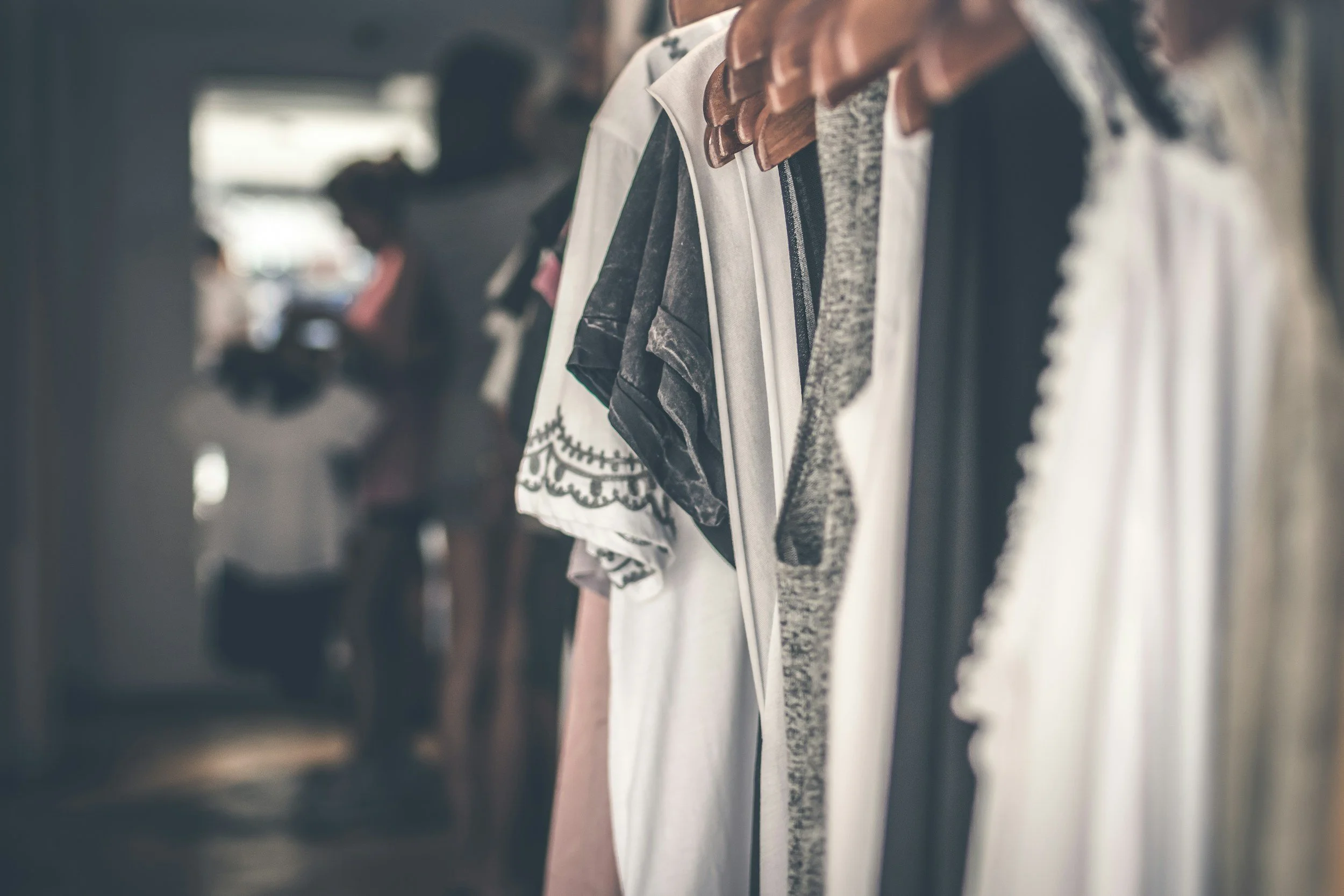
Thrift shopping is the art of buying gently used items—clothing, furniture, books, you name it—from secondhand stores, consignment shops, or charitable resale shops. It’s basically treasure hunting with a purpose. Thrift shopping is a powerful way to help the planet. By buying secondhand, we reduce the amount of clothing and household items that end up in landfills, cutting down on unnecessary waste. It also helps slow the demand for fast fashion, a major contributor to environmental damage, by extending the life of garments that already exist.
Producing new items—especially clothing—requires massive amounts of water, energy, and toxic chemicals, all of which are avoided when we choose pre-loved pieces. For instance, creating just one cotton t-shirt can use up to 2,700 liters of water. Thrifting not only conserves these resources but also reduces the carbon footprint associated with manufacturing and global transportation. It supports a circular economy by keeping goods in use for longer and encourages creative reuse through upcycling. In essence, thrift shopping is more than just a budget-friendly habit—it's a sustainable choice that protects the Earth’s resources and promotes mindful consumption.
I like to think of it as a mix of sustainability, creativity, and good ol’ financial common sense.
A Budget-Friendly Way to Shop
Let’s be real—life is expensive. Rent, groceries, gas... the list goes on. Thrift shopping lets you stretch your dollars without sacrificing style or quality. You can find name-brand clothing, solid wood furniture, or practically new kitchen gadgets for a fraction of the original price. And if you shop at Goodwill, keep your eye out for their deal days—they’re legendary.
50% Off Days: Check the signage at the entrance, or a certain color tag is marked half off.
25% Off Weekly Discounts: Some stores offer these midweek—perfect for a quick bargain pick-me-up.
$0.25 Cent Deals: Yep, you read that right. Select tags are sometimes marked down to just a quarter. That’s gum money, people!
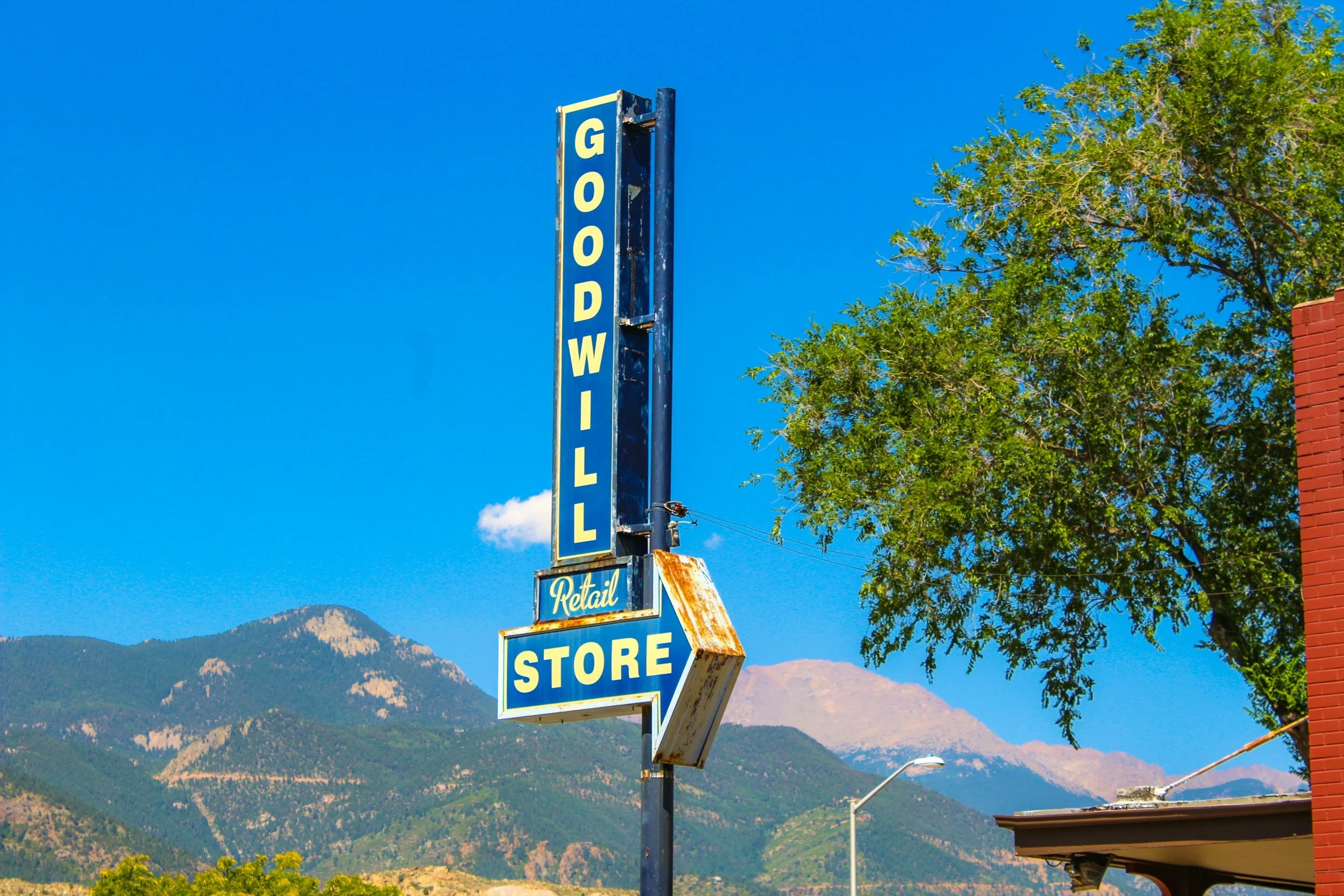
Depending on where you live, every week the tag color changes, so it’s worth checking back often. And depending on your local Goodwill, they might also offer senior, student, or military discounts—just ask at the register. If you're tired of cookie-cutter fashion or mass-produced home décor, thrifting is your playground. Vintage band tees, funky lamps, retro kitchenware—you name it. You get to curate your personal style with pieces that feel more you than anything off a department store rack. Fast fashion and overconsumption have done a number on the planet. Thrift shopping helps combat that by giving items a second (or third) life. You’re keeping clothes and goods out of landfills, reducing demand for new production, and participating in a more circular economy. Saving the planet and saving money? Win-win.
It Sparks Creativity
There's something magical about turning a secondhand find into something brand new. Maybe it’s flipping a dated dresser into a chic centerpiece or styling an oversized men’s shirt into a trendy dress. Thrifting encourages you to think outside the box—and sometimes, outside your comfort zone.
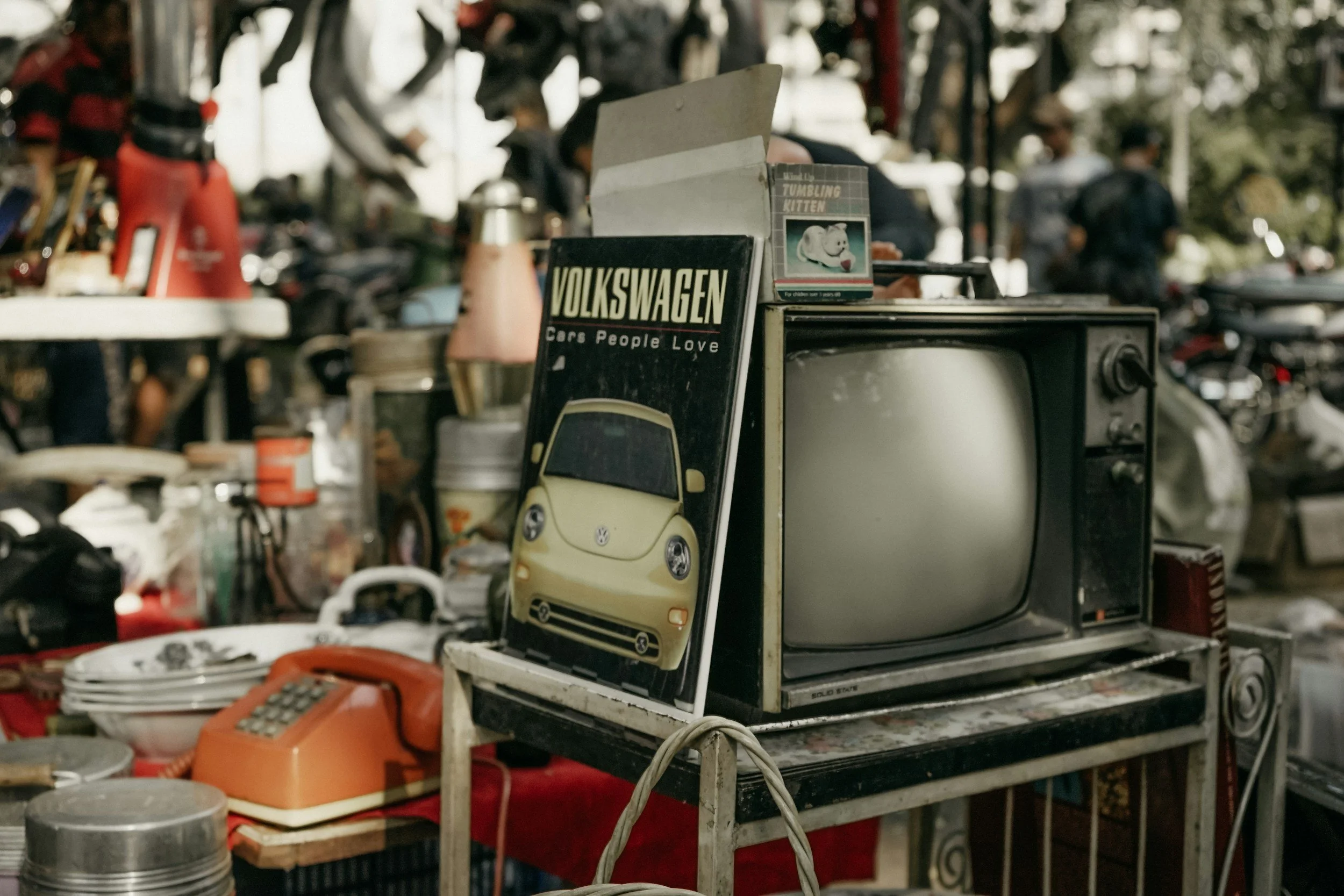
Thrift shopping isn't just good for the planet—it can also be a smart and profitable side hustle. Many people are turning their love for secondhand treasures into a business by flipping thrift store finds for a profit. With a good eye and some patience, it's possible to discover valuable or trendy items at a fraction of their true worth, from vintage clothing and designer handbags to rare books, electronics, and home decor. These finds can be cleaned up, styled, or slightly refurbished, then resold on platforms like eBay, Poshmark, Depop, Mercari, or even local marketplaces like Facebook or OfferUp. The markup can be significant—an item bought for $5 might easily sell for $50 or more, depending on demand and condition. Over time, you can build a brand or niche following, turning occasional flips into a steady stream of income. Some thrifters even turn it into a full-time business, especially once they learn how to spot high-demand items and streamline their listing and shipping process. It’s a sustainable, low-cost way to start a business, help the environment, and make money doing something fun and creative.
Nonprofit thrift stores play a crucial role in both community support and environmental sustainability. Major names like Goodwill, The Salvation Army, and Habitat for Humanity ReStore operate with missions that go far beyond retail. Goodwill uses proceeds from sales to fund job training, employment placement, and educational programs for people facing barriers to employment. The Salvation Army supports rehabilitation centers, shelters, and disaster relief efforts through its thrift store earnings. Habitat ReStores focus on selling gently used furniture, appliances, and building materials, with profits going directly toward building affordable housing. Shopping at these stores not only gives items a second life and reduces waste, but also helps fund essential social services that uplift individuals and families in need.
So!
Thrift shopping isn’t just about buying used stuff—it’s about being intentional. It’s about choosing quality over quantity, saving money where it counts, and expressing yourself without breaking the bank or the planet. Plus, there’s something deeply satisfying about the hunt. That little burst of joy when you find the thing... it’s kind of addictive in the best way.
So next time you drive past your local thrift store, especially Goodwill, don’t just keep going. Pop in, take a look around, and let yourself be surprised. Your next favorite outfit, book, or kitchen find could be sitting on a shelf with a bright orange tag—just waiting to go home with you for 25 cents.