
What is ChatGPT? and how to use it.
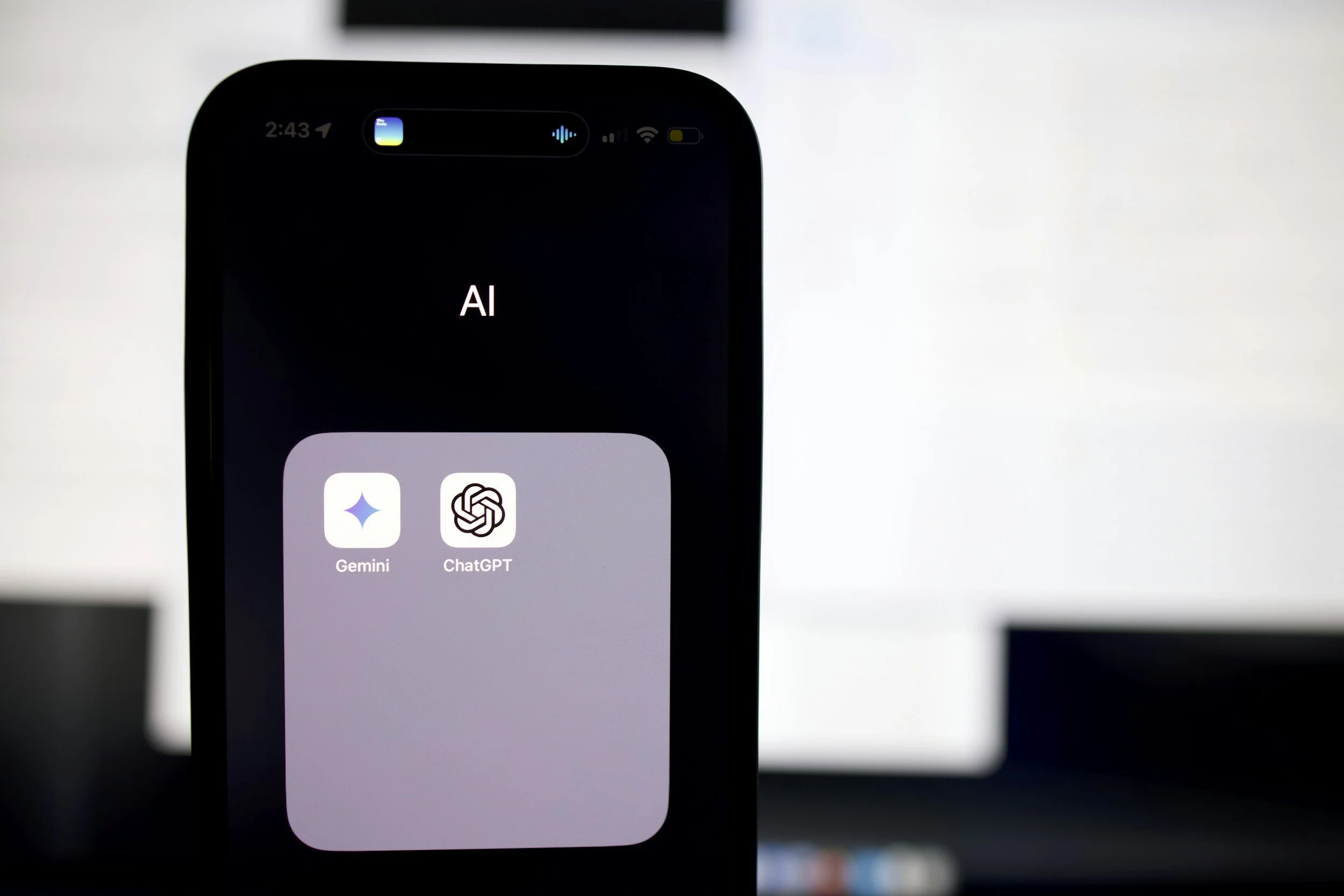
ChatGPT App
What is ChatGPT?
Imagine having a conversation with a super smart robot that can answer your questions, help you with your homework, and even chat about your favorite hobbies. That's what ChatGPT is—a type of artificial intelligence (AI) developed by OpenAI that can understand and generate human-like text. "GPT" stands for Generative Pre-trained Transformer, which is a fancy way of saying it's a powerful language model that has been trained on vast amounts of text data to understand and generate natural language.
How Does ChatGPT Work?
ChatGPT works by using a machine learning technique called deep learning. It has been trained on diverse internet text, which helps it understand and generate responses based on the input it receives. When you type a question or a statement, ChatGPT processes your input, analyzes the context, and generates a relevant response. It's like having a conversation with a well-read friend who can provide information and engage in discussions on various topics.
The Importance of ChatGPT in Today's Society
Education: ChatGPT is a valuable tool for students. It can help with homework, explain complex concepts, and provide additional resources for learning. Imagine struggling with a math problem or trying to understand a history lesson—ChatGPT can break it down in a way that's easier to grasp.
Accessibility: For people with disabilities, ChatGPT can be a game-changer. It can assist with tasks like reading and writing, making information more accessible. For instance, someone with a visual impairment can use voice input and output to interact with ChatGPT, gaining information and assistance effortlessly.
Customer Service: Many companies use AI like ChatGPT for customer service. It can handle frequently asked questions, provide product information, and even assist with troubleshooting issues. This allows human employees to focus on more complex tasks, improving overall efficiency.
Creativity and Entertainment: ChatGPT can be used for creative writing, brainstorming ideas, and even generating content for social media. It can help writers overcome writer's block by providing suggestions and new perspectives. Plus, it's a fun way to generate stories and explore new ideas.
How to Use ChatGPT
Using ChatGPT is simple. Here are some tips to get you started:
Ask Clear Questions: The clearer your question, the better the response you'll get. For example, instead of asking, "Tell me about space," you could ask, "What are the main planets in our solar system?"
Be Specific: If you need detailed information, be specific in your query. Instead of saying, "Help with homework," you could say, "Explain the Pythagorean theorem."
Explore Topics: ChatGPT can discuss a wide range of topics. Don’t hesitate to ask about anything that interests you, whether it's science, history, art, or even your favorite video game.
Provide Feedback: If the response isn't what you expected, you can ask ChatGPT to clarify or provide more information. For example, "Can you explain that in simpler terms?"
The Future of AI and Society
AI is rapidly advancing and becoming more integrated into our daily lives. Here's a glimpse of what the future might hold:
Personal Assistants: AI will continue to improve personal assistants like ChatGPT, making them more intuitive and helpful. They might help manage our schedules, provide reminders, and even assist with daily tasks like shopping and cooking.
Healthcare: AI can revolutionize healthcare by assisting in diagnostics, personalized treatment plans, and managing patient records. Imagine a world where AI helps doctors diagnose diseases faster and more accurately.
Smart Cities: AI will play a significant role in developing smart cities. It can help manage traffic, reduce energy consumption, and improve public safety. Smart city technologies can lead to more sustainable and efficient urban living.
Job Market: While AI will create new job opportunities, it might also replace some existing jobs. It's essential to develop new skills and adapt to the changing job market. Careers in AI development, data analysis, and technology management will be in high demand.
Ethics and Regulation: As AI becomes more prevalent, there will be a greater need for ethical guidelines and regulations. Ensuring AI is used responsibly and fairly will be crucial. This includes addressing issues like data privacy, bias in AI algorithms, and the potential impact on employment.
Why ChatGPT is Helpful
Instant Information: ChatGPT provides quick and accurate information, making it a valuable resource for learning and problem-solving. You can get answers to your questions anytime, without waiting for a teacher or searching through books.
Personalized Learning: ChatGPT can tailor its responses to your level of understanding. Whether you're a beginner or advanced learner, it can provide explanations that suit your needs.
24/7 Availability: Unlike human tutors or customer service agents, ChatGPT is available 24/7. You can ask questions and get help at any time, making it convenient for those late-night study sessions or urgent queries.
Encourages Curiosity: By making it easy to explore new topics, ChatGPT encourages curiosity and continuous learning. You can dive into subjects that interest you and gain knowledge beyond the classroom.
Conclusion
ChatGPT is a powerful tool that can enhance your learning experience, provide valuable assistance, and open up new possibilities. As AI continues to evolve, its impact on society will only grow, making it an essential part of our future. By understanding how to use ChatGPT effectively, you can take full advantage of its benefits and stay ahead in a rapidly changing world.
So next time you have a question or need help with something, remember that ChatGPT is here to assist you. Embrace the future of AI and let it help you achieve your goals!
References
OpenAI. (2023). ChatGPT
Future of Life Institute. (2023). Benefits & Risks of Artificial Intelligence
Harvard Business Review. (2022). The Future of AI: How Artificial Intelligence is Transforming Industries
TechCrunch. (2023). The Role of AI in Education